


ADVANCING PRECISION LASER CONTROL FOR SPECTROSCOPY APPLICATIONS
Spectroscopy is a foundational analytical technique used to understand how light interacts with matter at a highly detailed level. By measuring absorption, emission, or scattering of light across a range of wavelengths, spectroscopy enables precise identification, characterization, and monitoring of materials and processes. These capabilities make it an indispensable tool in scientific research, industrial manufacturing, environmental monitoring, and medical diagnostics. As laser and photonics technologies continue to advance, spectroscopy systems are becoming more sensitive, compact, and application-specific, further expanding their role in both laboratory and field environments:
• Chemical analysis and identification
• Environmental monitoring
• Biomedical diagnostics
• Semiconductor and materials characterization
• Laser stabilization and metrology
• Industrial process control
• Astronomy Research
CHEMICAL ANALYSIS AND IDENTIFICATION
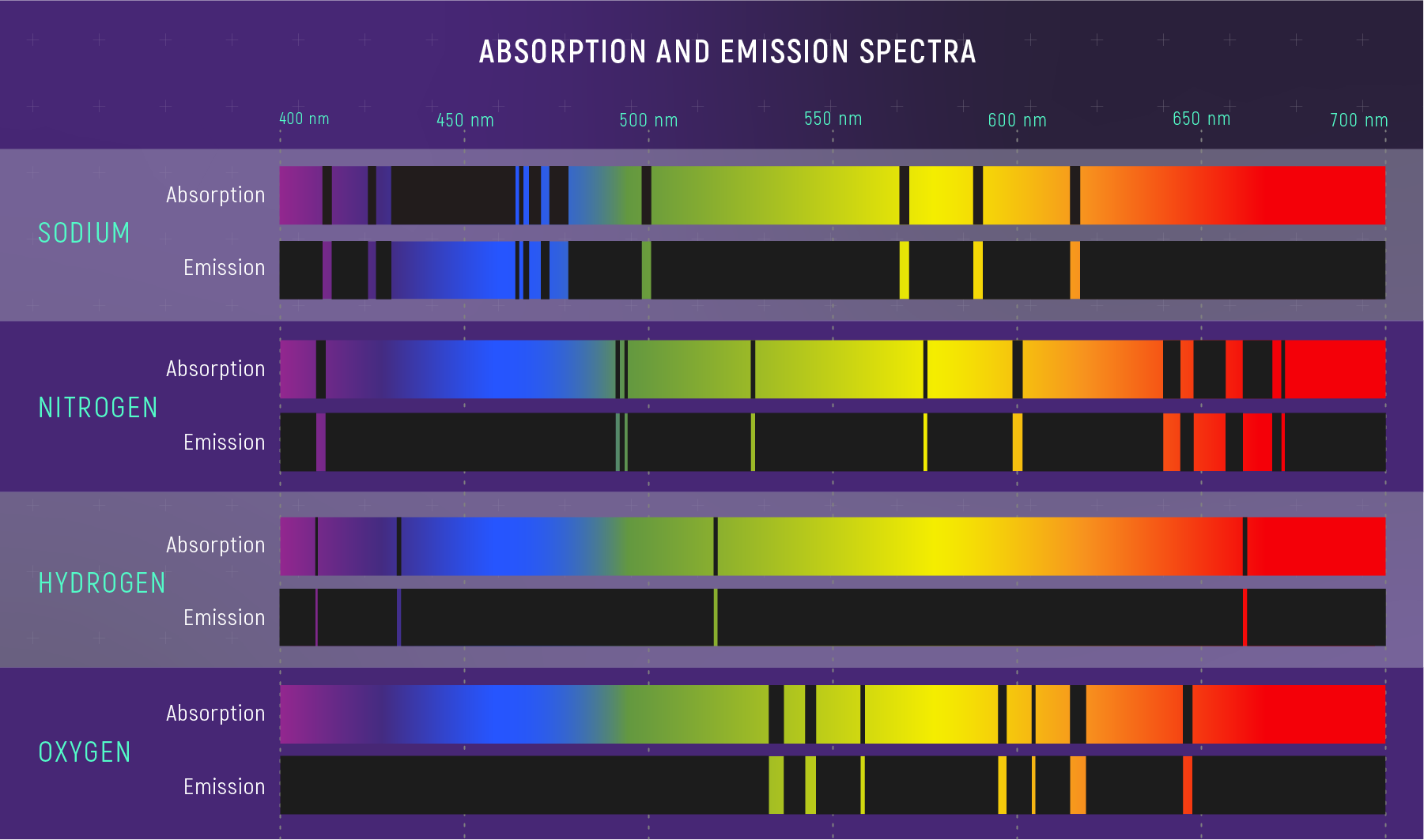
 Spectroscopy is widely used to identify chemical compounds based on their unique spectral signatures, which arise from interactions between light and molecular energy levels.
Techniques such as absorption and Raman spectroscopy allow researchers not only to determine molecular composition but also to detect trace impurities and quantify concentrations with high precision. This is especially critical in pharmaceutical development, where even small variations in composition can impact drug safety and effectiveness. In research laboratories, spectroscopy enables the study of complex chemical systems, reaction dynamics, and material properties, providing insights that are difficult or impossible to obtain through other analytical methods. Its non-destructive nature also allows repeated measurements without altering the sample.
Figure 1: Simplified illustration of absorption and emission spectra. Every element has a unique set of absorption and
emission lines or spectral signature. Credit: NASA, ESA, and L. Hustak (STScl)
ENVIRONMENTAL MONITORING
 Spectroscopic systems play a vital role in monitoring environmental conditions by detecting and quantifying atmospheric gases and pollutants. By analyzing how specific gases absorb or emit light at known wavelengths, these systems can measure extremely low concentrations of substances such as carbon dioxide, methane, and nitrogen oxides. This capability is essential for climate research, emissions tracking, and regulatory compliance in industrial settings. In addition, portable and remote sensing spectroscopy solutions enable real-time field measurements, allowing scientists and engineers to monitor air and water quality in diverse environments. The accuracy and sensitivity of these systems depend heavily on stable, low-noise laser and detection technologies.
BIOMEDICAL DIAGNOSTICS
 In biomedical applications, spectroscopy provides powerful tools for non-invasive or minimally invasive analysis of biological samples. Techniques such as fluorescence spectroscopy and Raman spectroscopy are used to detect disease markers, analyze tissue composition, and monitor physiological changes at the molecular level. These methods offer rapid, high-resolution insights without requiring extensive sample preparation, making them valuable for both clinical diagnostics and biomedical research. As healthcare continues to move toward personalized medicine, spectroscopy is increasingly used to provide detailed biochemical information that can guide treatment decisions. The ability to obtain precise and repeatable measurements is critical in these applications, where accuracy directly impacts patient outcomes.
WHAT IS SPECTROSCOPY?
Spectroscopy is the scientific study of how light interacts with matter as a function of wavelength, frequency, or energy. When light encounters a material, it can be absorbed, emitted, or scattered depending on the structure and composition of that material. By analyzing these interactions, scientists can extract detailed information about molecular structure, chemical composition, and physical properties. Spectroscopy techniques are widely used because they are highly sensitive, often non-destructive, and capable of providing both qualitative and quantitative data. Modern spectroscopy systems rely heavily on precise control of light sources and environmental conditions to achieve accurate and repeatable results.
TYPES OF SPECTROSCOPY
ABSORPTION SPECTROSCOPY
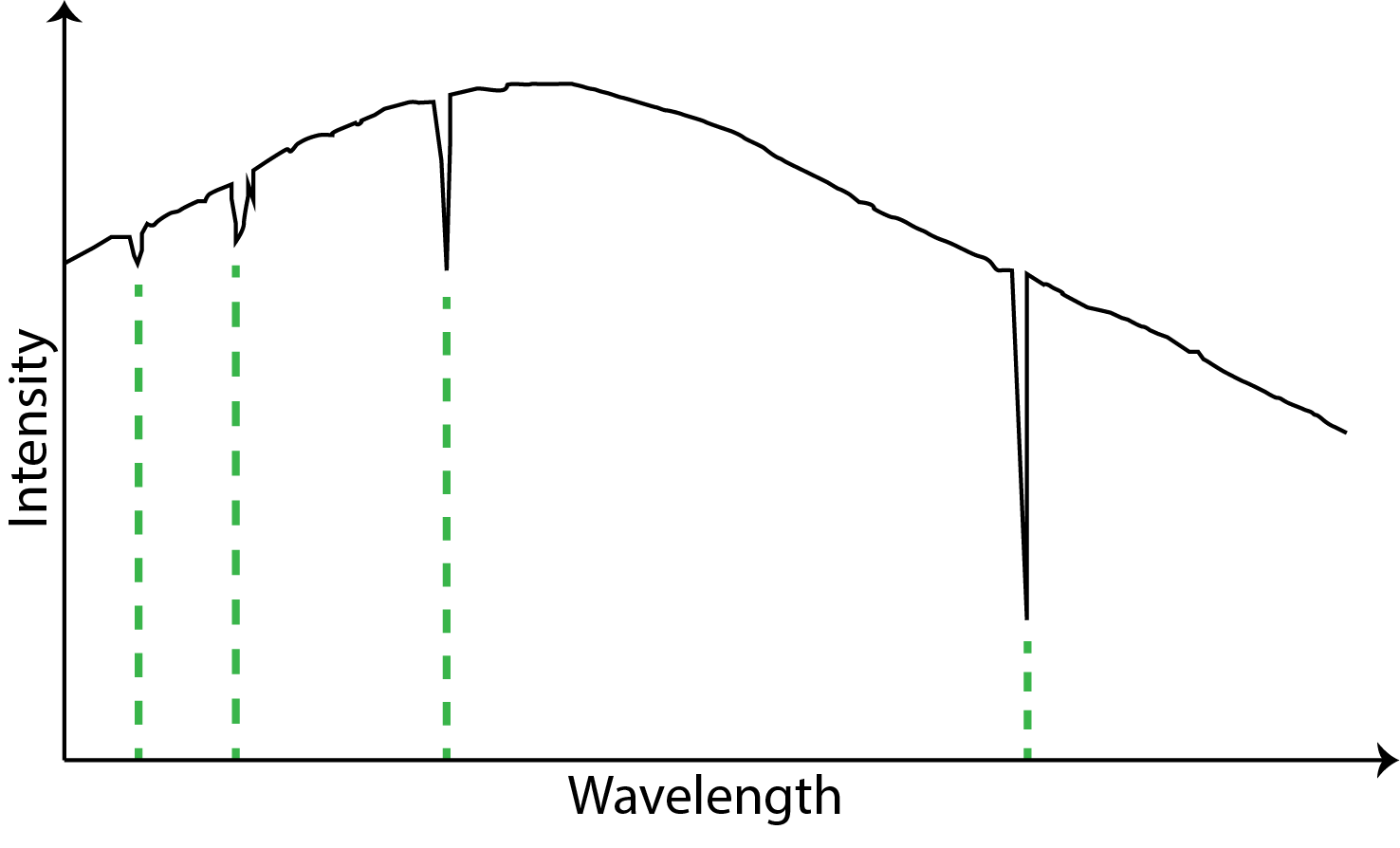
Absorption spectroscopy measures how much light is absorbed by a sample at specific wavelengths, producing a spectrum that acts as a unique fingerprint for the material. This technique is widely used for identifying substances and determining their concentrations in gases, liquids, and solids. Because absorption features are often very subtle, the accuracy of this method depends on stable light sources and low-noise detection systems.
Figure 2. Simulated Absorption Spectrum
EMISSION SPECTROSCOPY
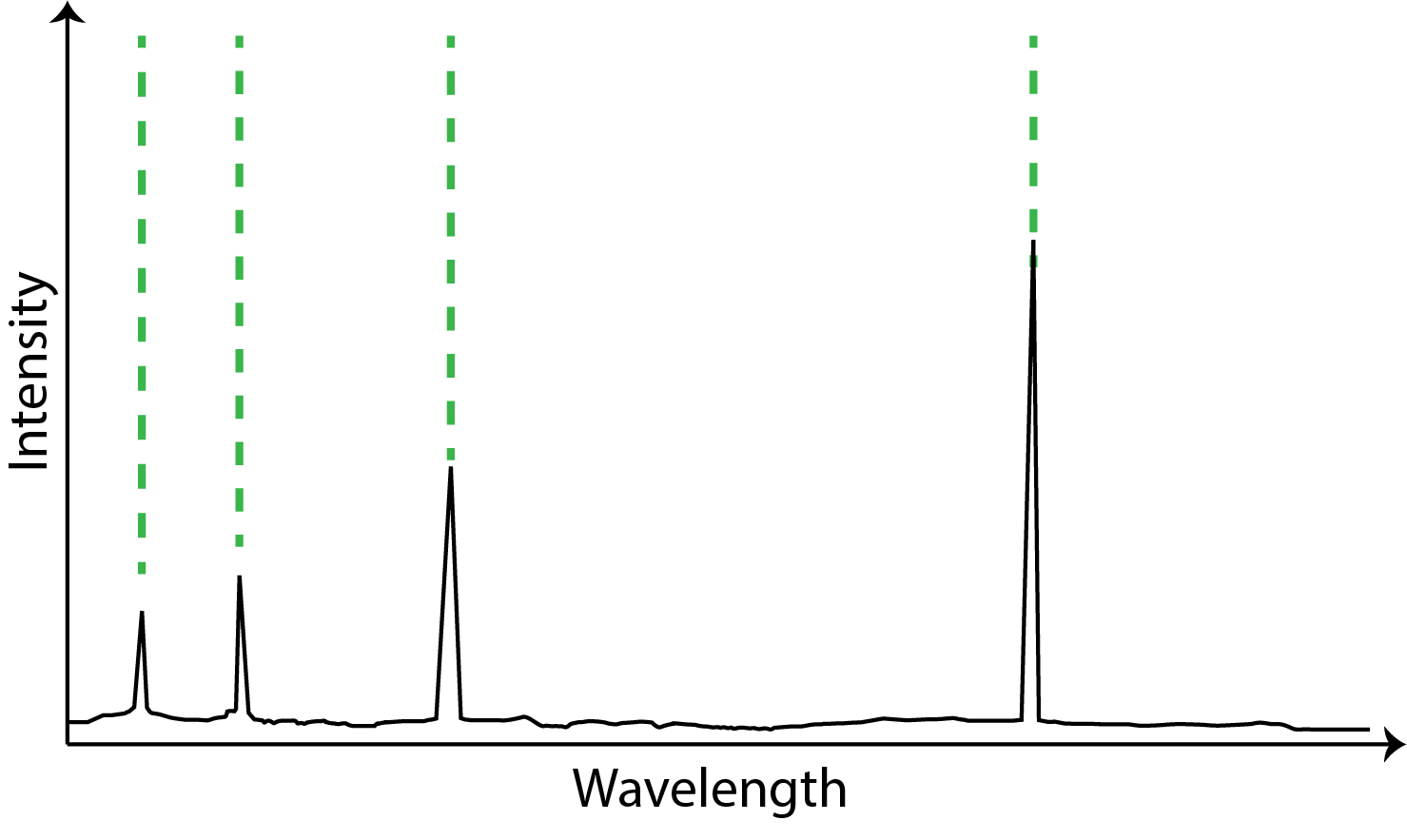
Emission spectroscopy analyzes the light emitted by atoms or molecules after they have been excited by an external energy source. As these particles return to lower energy states, they emit light at characteristic wavelengths that can be used to identify elements and compounds. This technique is commonly used in plasma analysis, combustion studies, and elemental detection in materials science. The precision of emission measurements relies on consistent excitation and stable system conditions.
Figure 3. Simulated Emission Spectrum
RAMAN SPECTROSCOPY
Raman spectroscopy is based on inelastic scattering of light, where the wavelength of the scattered light shifts due to interactions with molecular vibrations. This technique provides detailed structural and chemical information and is particularly useful for analyzing complex molecules, biological samples, and crystalline materials. Raman signals are inherently weak, making low-noise electronics and stable laser sources essential for accurate measurements.
CHALLENGES IN SPECTROSCOPY
Spectroscopy experiments require extremely high levels of precision, and several factors can limit system performance and measurement accuracy. Electrical noise in laser drivers and detection systems can obscure weak signals, reducing the ability to detect subtle spectral features. Temperature fluctuations can cause wavelength drift in lasers, leading to measurement errors and reduced repeatability over time. Additionally, linewidth broadening can limit spectral resolution, making it difficult to distinguish closely spaced features in a spectrum. The growing adoption of quantum cascade lasers (QCLs) has further increased performance expectations, as their narrow linewidths, tunability, and access to mid-infrared wavelengths enable highly sensitive and selective detection of molecular species. As a result, system stability and noise performance have become even more critical to fully leverage the precision these sources offer. Thermal management is another critical factor, as inadequate temperature control can degrade both laser performance and detector sensitivity. Finally, system complexity, arising from the need to integrate multiple components such as lasers, drivers, temperature controllers, and sensors, can introduce additional sources of error and increase setup time. Addressing these challenges requires highly stable, low-noise, and well-integrated control solutions.
WAVELENGTH ELECTRONICS’ TECHNOLOGY
Wavelength Electronics addresses the fundamental challenges of spectroscopy by providing precision control solutions specifically designed for laser diodes, QCLs, and temperature-sensitive photonics components. These technologies focus on minimizing noise, stabilizing wavelength, and simplifying system integration, all of which are critical for achieving accurate spectroscopic measurements. By combining advanced circuit design with practical engineering expertise, Wavelength Electronics enables researchers and manufacturers to improve system performance while reducing complexity and development time.
LOW NOISE
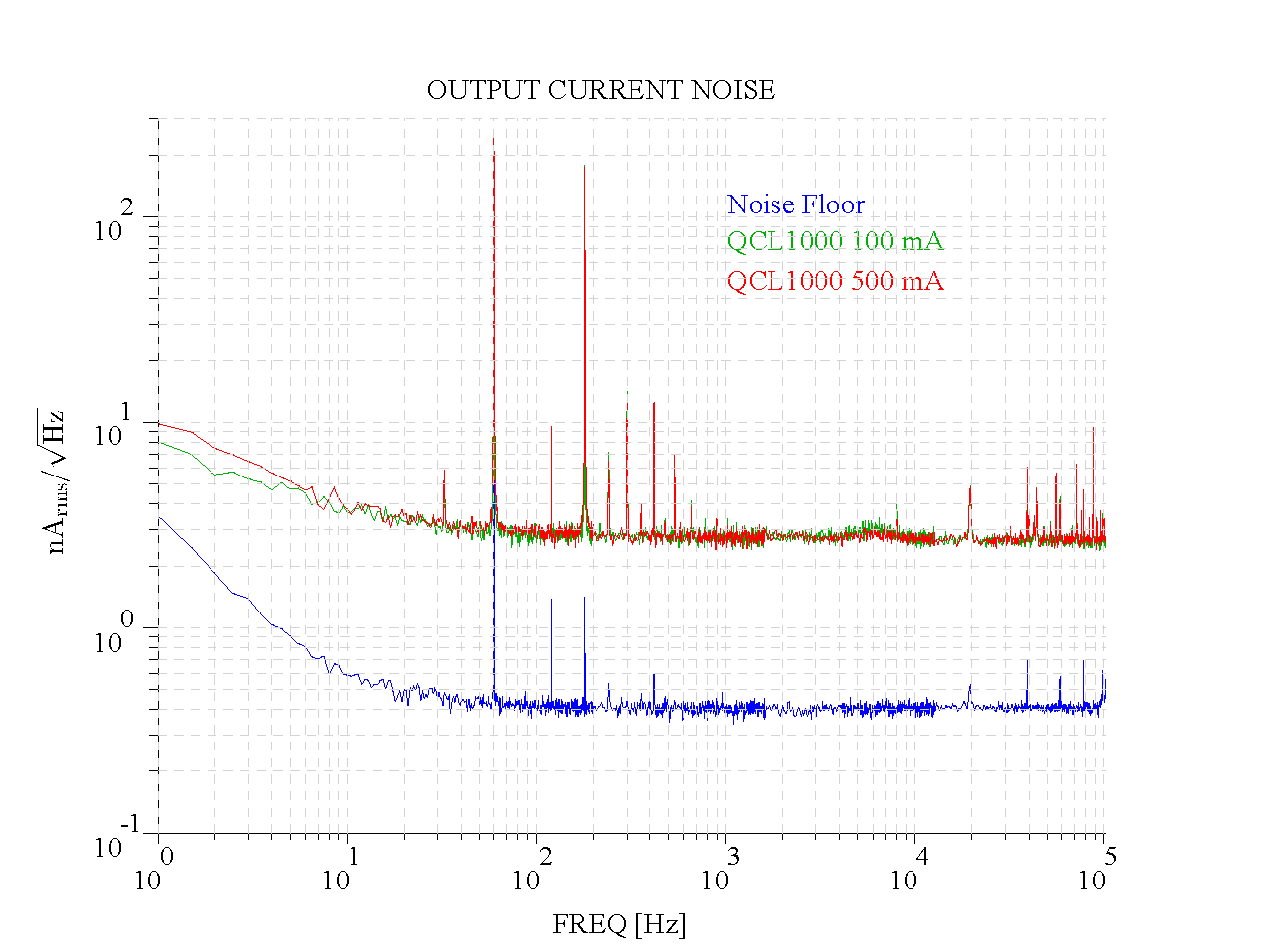
Low-noise performance is essential in spectroscopy, where signals can be extremely small and easily masked by electrical interference. Wavelength Electronics’ designs its laser diode drivers and QCL drivers with ultra-low current noise, ensuring that the electrical input to the laser does not introduce fluctuations that could degrade optical output. This results in higher signal-to-noise ratios and improved detection of weak spectral features. In applications such as Raman spectroscopy or trace gas detection, this level of noise reduction can significantly enhance measurement sensitivity and reliability, allowing users to capture more accurate data over longer periods.
Figure 4. Example of Wavelength Electronics’ QCL Series Drivers Low Noise and Noise Floor
NARROW LINEWIDTH SUPPORT
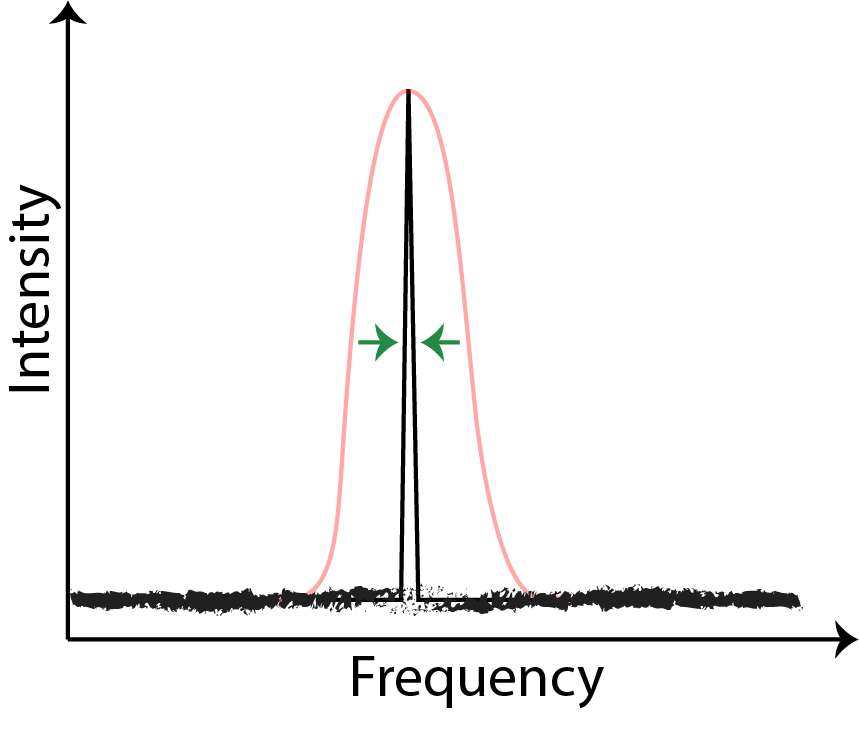
Maintaining a narrow laser linewidth is critical for resolving fine spectral details and achieving high-resolution measurements. Wavelength Electronics’ controllers provide highly stable current and temperature regulation, minimizing fluctuations that can broaden the laser’s output spectrum. This stability enables users to distinguish closely spaced spectral features and improves the overall accuracy of spectroscopic analysis. In precision applications such as tunable diode laser spectroscopy, narrow linewidth performance is a key factor in achieving reliable and repeatable results.
Figure 5. Laser Linewidth
STABLE TEMPERATURE AND WAVELENGTH CONTROL
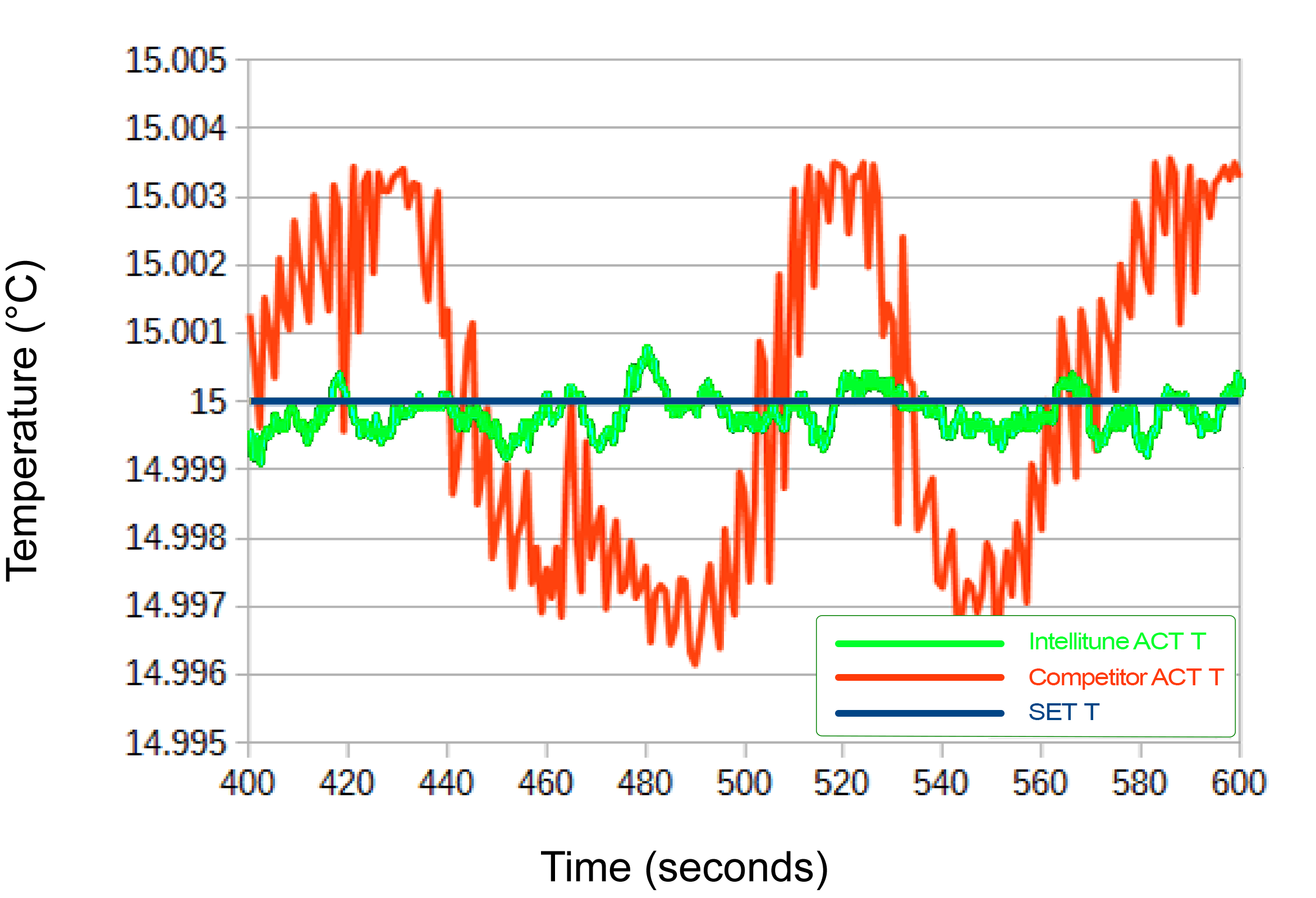
Temperature has a direct impact on laser wavelength, making precise thermal control essential for spectroscopy applications. Wavelength Electronics’ temperature controllers deliver high stability and fast response times, ensuring that lasers remain locked to their target wavelengths even under changing environmental conditions. This level of control reduces drift, improves repeatability, and supports long-duration experiments where consistency is critical. By maintaining stable operating conditions, these controllers help users achieve more accurate and dependable measurements. With Wavelength’s proprietary IntelliTune® algorithm, automatic PID control adjustments optimize performance for any load when using the intuitive benchtop instruments.
Figure 6. Wavelength Electronics’ temperature stability vs. competitor’s stability
COMPACT COMPONENTS AND INTUITIVE INSTRUMENTS
Wavelength Electronics offers a range of solutions from compact components to fully integrated instruments, all designed with ease of use and system integration in
mind. Products feature intuitive interfaces and modular architectures that simplify setup and operation, reducing the time and effort required to build and maintain spectroscopy systems. This approach allows researchers and engineers to focus on their experiments and applications rather than troubleshooting hardware, ultimately improving productivity and accelerating development cycles.
WAVELENGTH ELECTRONICS’ PRODUCTS FOR SPECTROSCOPY
Products from Wavelength Electronics are specifically designed to meet the stringent performance requirements of spectroscopy applications, where precision, stability, and low noise are critical to obtaining accurate and repeatable results. Our products spans component-level drivers, temperature controllers, and fully integrated instruments, allowing users to select solutions that best match their system architecture and performance needs. By focusing on ultra-low noise current control, high-stability temperature regulation, and seamless integration between subsystems, these products help minimize common sources of error such as wavelength drift, signal noise and instability, and linewidth broadening. Whether used in research laboratories, industrial sensing environments, or field-deployed systems, Wavelength Electronics solutions provide the reliable control foundation needed to support high-resolution spectroscopy techniques and long-duration measurements.
QCL SERIES QUANTUM CASCADE LASER DRIVERS
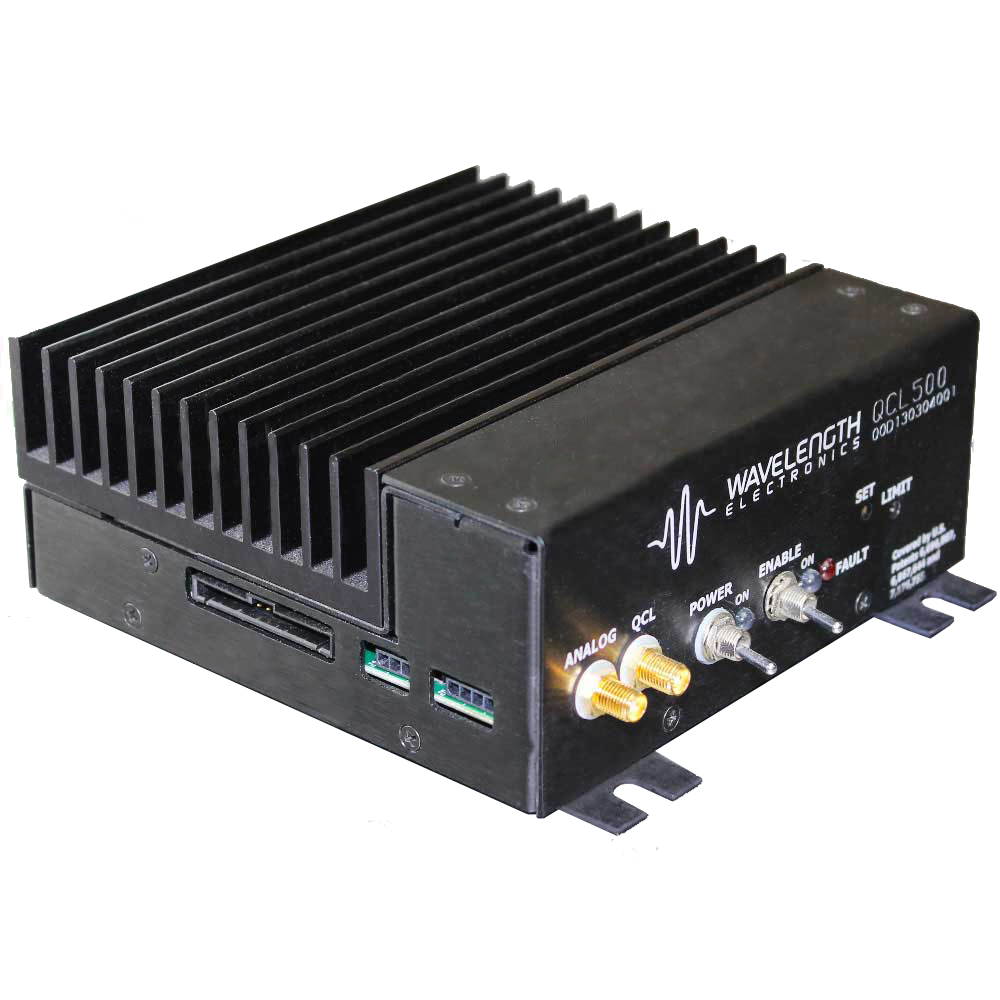
Designed for high-performance and ultra low noise, the QCL series delivers stable, low-noise current essential for mid-infrared spectroscopy applications. The QCL series maintains tight center linewidths and minimizes jitter while providing high modulation bandwidth for the exact laser output profile desired. These drivers are optimized for demanding environments where precision and reliability are critical, enabling accurate detection of molecular absorption features in gas sensing and chemical analysis.
• 500 mA – 2 A output current range
• 20 V high compliance voltage
• 0.4μA (RMS) ultra-low noise design
• 2-3 MHz Bandwidth (Constant Current mode)
• Module or benchtop instrument options
LDTC PRECISION CONTROLLER
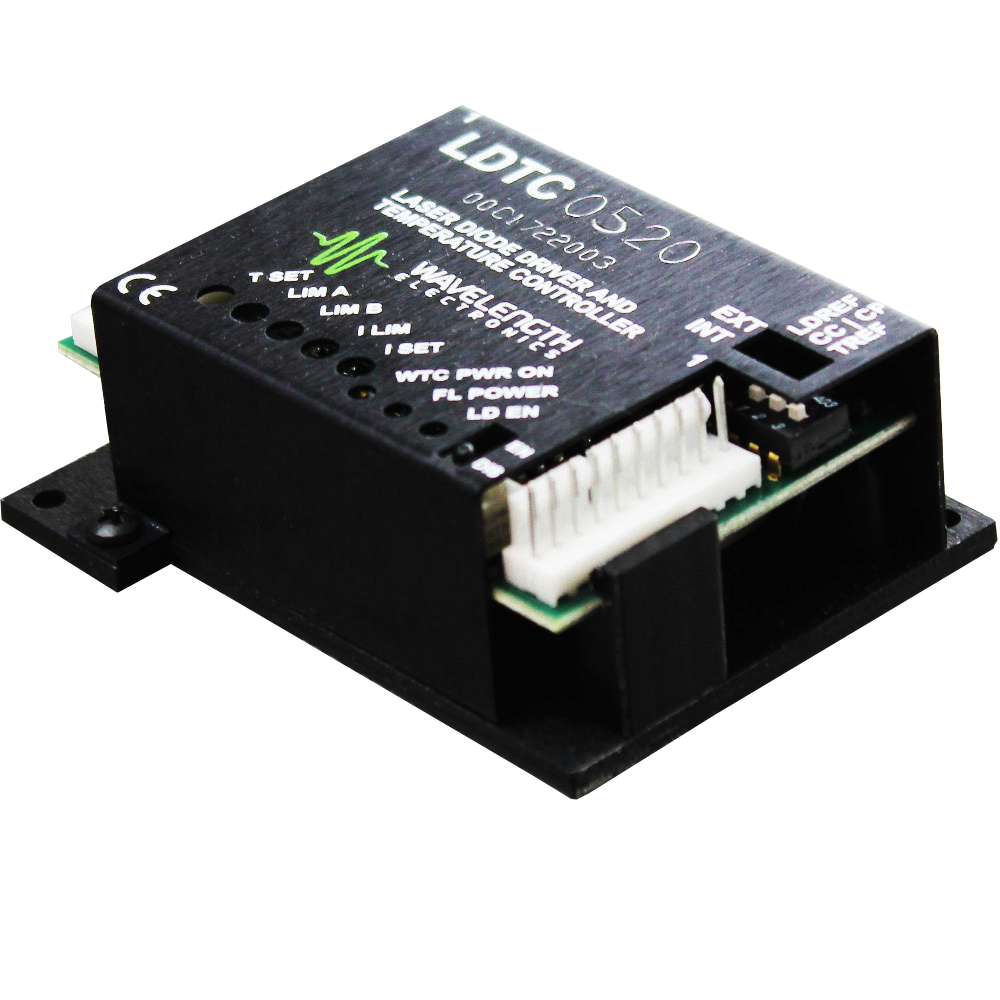
The LDTC Series provides precise and stable current control for a wide range of laser diodes used in spectroscopy systems. With flexible control options and low-noise performance, these drivers are well suited for both research and industrial applications requiring accurate optical output.
• 500 mA – 1 A output current range
• 10 V laser diode compliance voltage
• 7.5μA (RMS) noise 100kHz bandwidth
• ±2.2 A / 28 V TEC output
• 500 kHz modulation bandwidth
• 0.001ºC temperature stability
• Analog controls and monitors
WLD/WTC SERIES MINIATURE CONTROLLERS
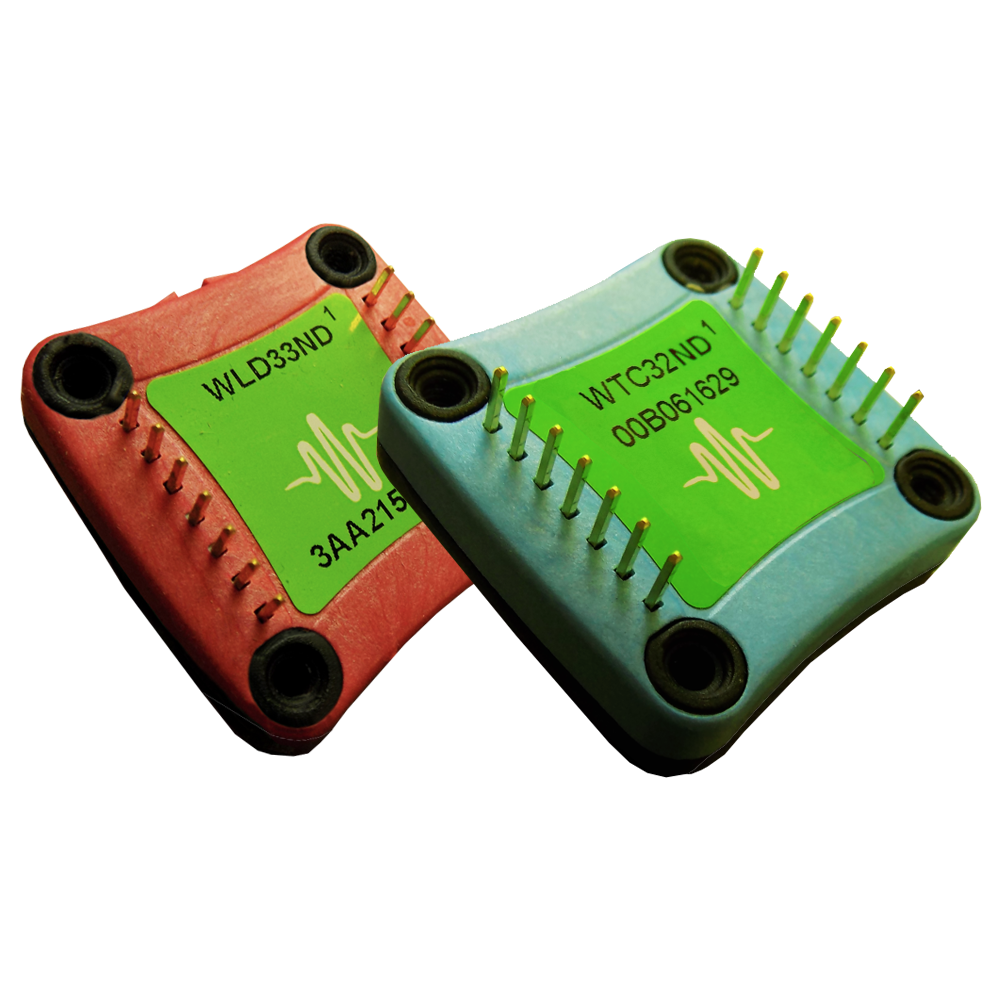
The WTC Series offers precise temperature control in a small package for laser diodes and optical components, ensuring stable wavelength output and improved measurement accuracy in airborne spectroscopy systems.
The WLD Series offers precise laser diode control in a compact component package for complete laser diode control when combined with the WTC.
• 0.001ºC temperature stability
• 18μA (RMS) low noise design
• ±2.2A / +30V TEC output
• 3A / 3.5 V laser diode output
• Compact design (1.3” x 1.3” x 0.3”)
LDTC LAB SERIES INSTRUMENT
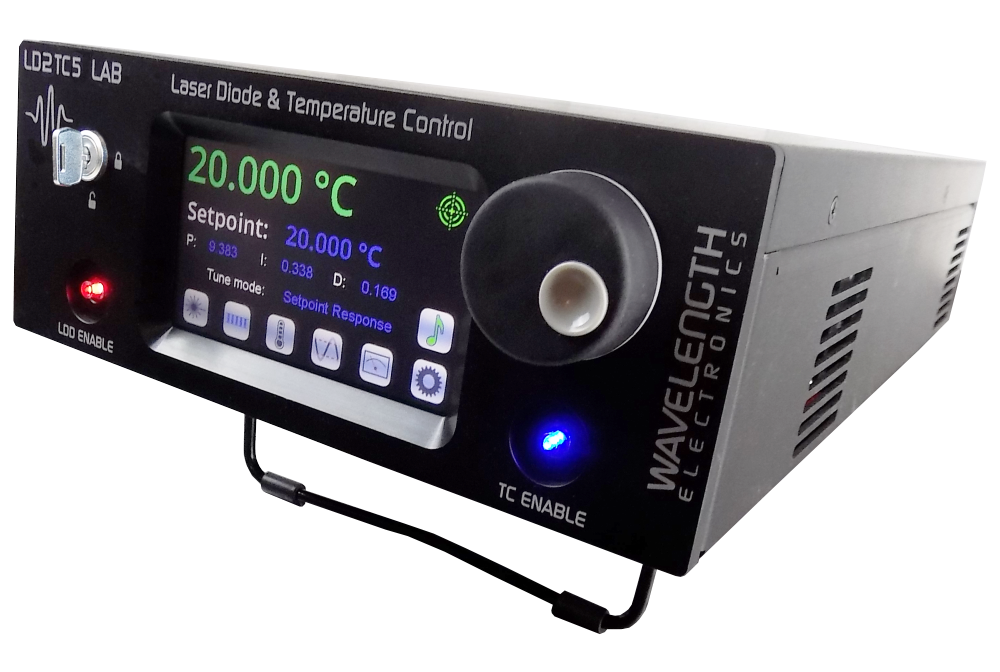
The LDTC LAB is a fully integrated instrument platform that combines precision laser diode current control with high performance temperature regulation in a single, easy-to use, laboratory unit. This benchtop instrument is designed specifically for research and development environments with an intuitive touchscreen for quick configuration and operation while maintaining the precision and reliability needed for demanding spectroscopy experiments.
• 250 mA – 15 A laser diode output current
• 10 V laser diode compliance voltage
• 3μA (RMS) low noise (100kHz)
• 5-10A / 15V TEC output
• 0.0009ºC temperature stability
FL500 COMPONENT LASER DIODE DRIVER
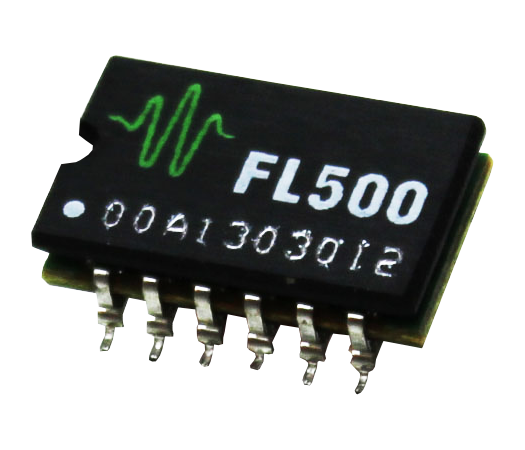
The FL500 laser diode driver is a compact, low-noise current source designed for precise control of laser diodes in applications like spectroscopy and sensing. As the smallest product offered, it is especially well suited for space-constrained designs. Its small footprint makes it ideal for compact systems while still delivering stable, reliable performance for both laboratory and OEM use.
• 500 mA (250 mA dual channels) output current
• 10 V laser diode compliance voltage
• 3μA (RMS) low noise
• Small size (19 x 12 x 7 mm)
• 500 kHz bandwidth (CC sine wave)
WHY CHOOSE WAVELENGTH ELECTRONICS?
Wavelength Electronics is a dedicated partner to the photonics and spectroscopy community, delivering precision control solutions that enable accurate, stable, and replicable results in demanding applications. Wavelength partners with high-tech researchers and manufacturers to successfully complete strategic projects through fully featured controllers, engineering expertise, and responsive tech support. This commitment extends beyond products, encompassing deep technical knowledge, collaborative problem-solving, and a focus on long-term customer success. By working closely with customers from concept through implementation of off-the-shelf products or custom designs, Wavelength Electronics helps ensure that systems perform reliably in real-world conditions while meeting evolving application requirements.
USEFUL SITES
https://www.nist.gov/spectroscopy/what-spectroscopy
Wavelength Electronics’ Citations:
• Raman Spectroscopy
• Raman Spectroscopy
• Absorption Spectroscopy
• Cavity Ring-Down Spectroscopy
• Other Spectroscopy Citations
Wavelength Electronics’ Case Studies Link
Up-to-date datasheets Link
