


At Wavelength Electronics, we stabilize semiconductor laser wavelength, power, current, and linewidth with ultra-low-noise electronics. We partner with leading researchers and manufacturers to solve complex challenges using advanced controllers, deep engineering expertise, and responsive support.
Focused on high performance, we bring 30+ years of precision engineering and reliable manufacturing to help you push laser applications further—and improve lives in the process. If noise, instability, or drift is holding you back, it’s time for a better partner.
Subscribe to our newsletter for tips, techniques & product updates.
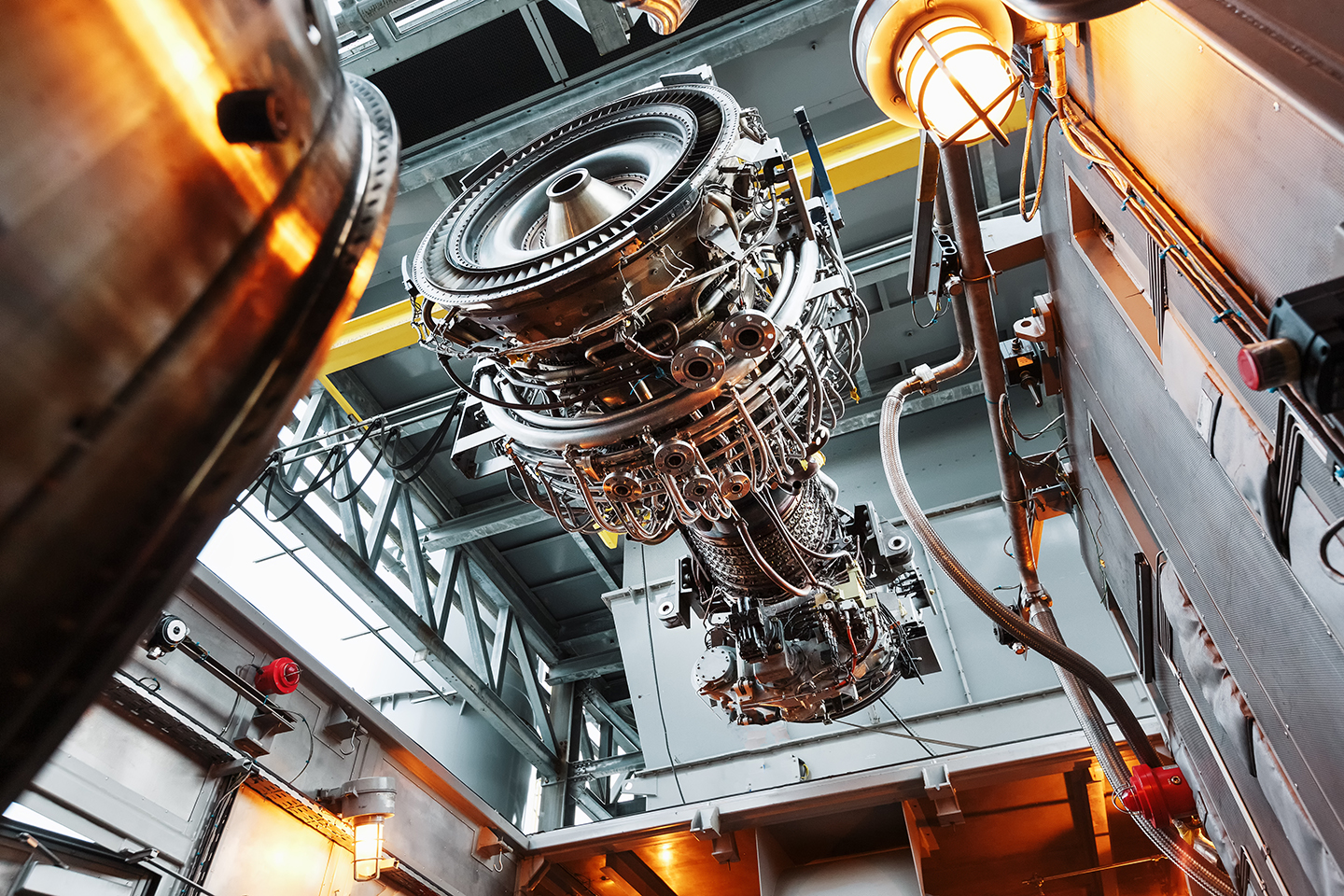
In the global effort to decarbonize the aviation, marine, and power generation sectors, accurate combustion diagnostics have become a critical priority—but traditionally require cumbersome, tailor-made hardware. Researchers from the UK developed a novel Chemical Species Tomography (CST) system: a scalable, modular sensor array capable of high-speed, 2D mapping of gas-turbine exhaust plumes.
In high-speed tomography, even minor laser instability can create errors amplified during image reconstruction. Stable laser output during modulation and frequency scanning is essential for accurate transmission data and dependable results.
Wavelength Electronics’ LDTC2/2E helped researchers capture real-time exhaust images at 250 frames per second with precise wavelength stability, low-noise current control, and ultra-stable temperature regulation. The result: sharper measurements of H₂O and heat distribution, faster optimization, lower emissions, and more reliable performance in demanding aerospace and energy applications.
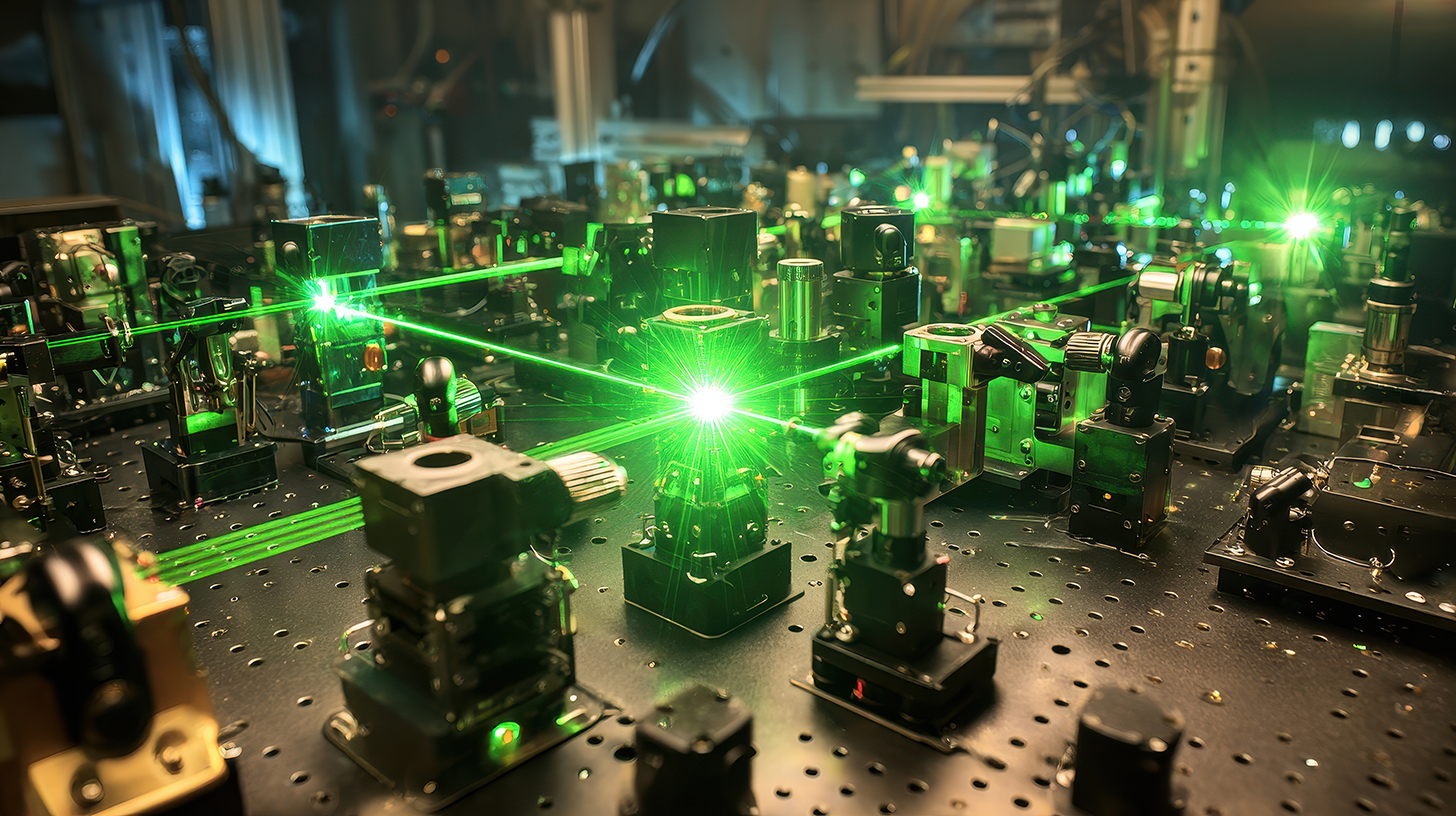
Spectroscopy sits at the core of modern analysis, revealing how light interacts with matter to identify, characterize, and monitor materials with remarkable precision. From research labs to field deployments, it underpins everything from chemical identification to climate science and medical diagnostics.
Whether measuring atmospheric methane at parts-per-billion levels or detecting subtle biochemical changes in tissue, one factor remains constant: performance depends on stable, low-noise laser control.
Our latest App Note highlights the fundamentals of spectroscopy, and how precision laser control directly impacts what you measure, whether you’re analyzing trace gases, characterizing materials, or running high-resolution biomedical diagnostics.
As systems become more sensitive and field-deployable, the margin for error shrinks.
That’s where Wavelength Electronics comes in — with solutions engineered specifically for spectroscopy, combining ultra-low noise current drivers, high-stability temperature control, and tightly integrated subsystems to reduce:
- Wavelength drift
- Signal noise and instability
- Linewidth broadening
From component-level drivers to fully integrated instruments, you can match the solution to your architecture without compromising performance. The result: more repeatable measurements, cleaner signals, and confidence in long-duration or high-resolution applications.
Read the full App Note to explore how precision laser electronics are enabling the next generation of spectroscopy systems, and why control fidelity is the difference between signal and noise.
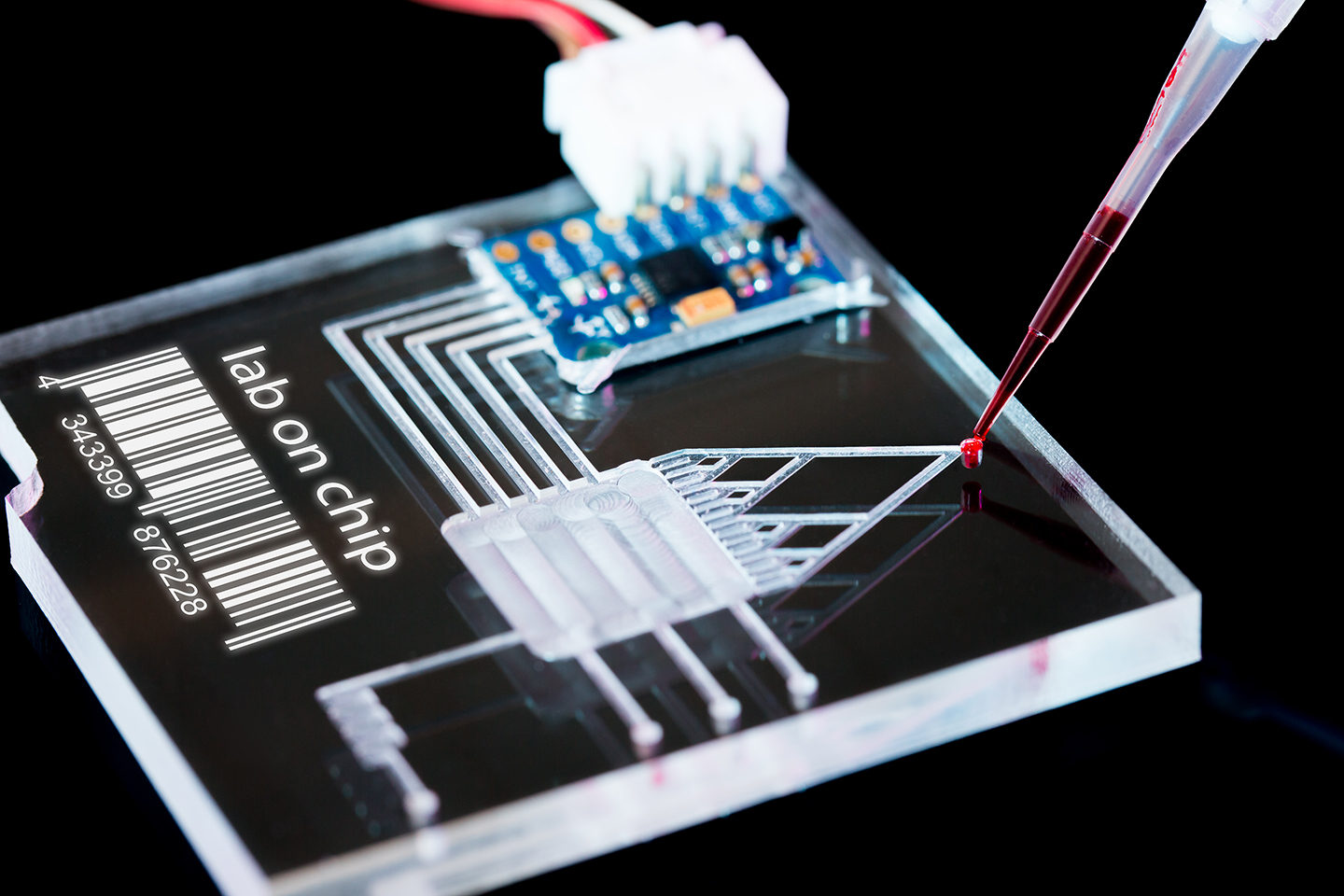
Advances in biomedical sensing demand laser stability far beyond what traditional assay tools can offer. From rapid biomolecule detection to microscale diagnostics, precise current control is essential. Wavelength Electronics’ WLD laser diode drivers deliver the stability needed for these next-generation platforms.
- Biomolecular Detection
Virus-laser research has shown that viral materials can serve as part of the lasing medium, enabling fast, sensitive identification of specific biomolecules. These systems rely on constant current, stable wavelength, and controlled modulation. The WLD provided the low-noise, precisely modulated drive current required to maintain reliable laser emission throughout detection. - Optofluidics & Microfluidics
Infrared diode lasers are widely used in optofluidic and microfluidic setups for cell manipulation, thermal cycling, and PCR— where tight control over optical power is essential. Stable, well-regulated laser power ensures both sample viability and consistent thermal cycling performance. The well-regulated output from the WLD driver ensures precision operation in these sub-milliliter environments.
Wavelength Electronics supports biomedical innovation with laser drivers engineered for performance, stability, and seamless integration into advanced optical platforms.
We invite you to contribute topic suggestions, questions, and general feedback. Wavelength will incorporate as much reader input as possible.
Click to Submit
